JMA1_v1
Download script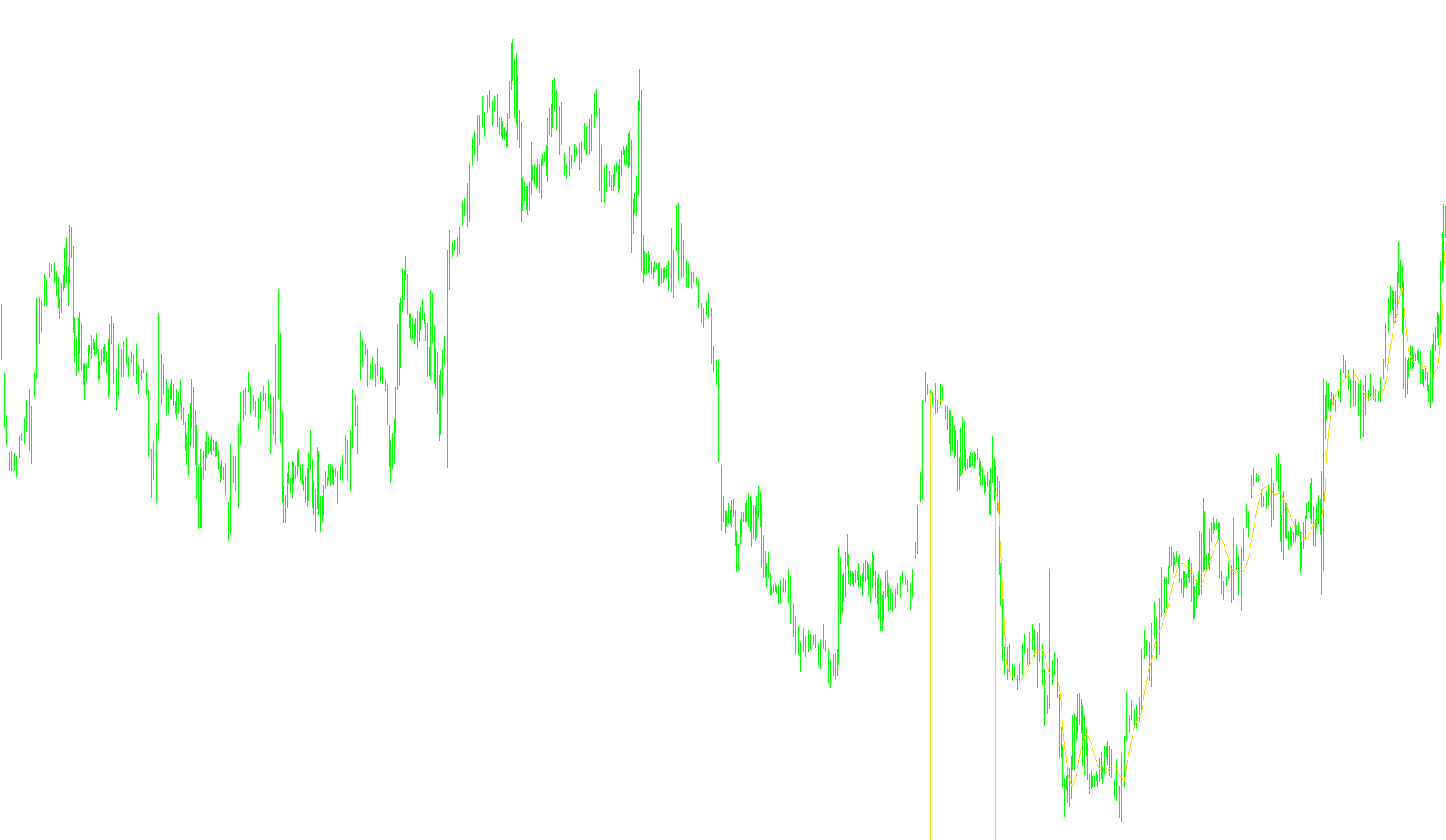
This script implements a sophisticated technical analysis tool known as the Jurik Moving Average (JMA). Unlike standard moving averages, which often suffer from a trade-off between smoothness and responsiveness (where a smoother line reacts slower to price changes), this logic is designed to provide a highly responsive curve that remains exceptionally smooth.
Core Logic Overview
The script operates by processing historical price data to generate a dynamic line on the trading chart. It achieves its goal through several layers of complex mathematical filtering:
1. Adaptive Smoothing The indicator does not use a simple fixed average. Instead, it calculates a variable "smoothness" factor. This allows the indicator to adjust its behavior based on the current volatility and momentum of the market. When the price moves aggressively, the logic attempts to stay as close to the price as possible; when the market is ranging, it smooths out the noise to prevent false signals.
2. Dynamic Phase Adjustment The script includes a "Phase" parameter that allows the user to shift the balance of the calculation. This can be used to fine-tune how quickly the indicator reacts to new information versus how much it prioritizes historical data, providing flexibility for different trading styles (e.g., scalping vs. swing trading).
3. Non-Linear Weighting and Prediction The underlying math utilizes non-linear transformations (such as logarithms and square roots) to weight recent price action more heavily while simultaneously using a specialized "buffer" system. This buffer captures a window of recent data points, allowing the indicator to calculate the "velocity" of price changes. By understanding the speed at which price is moving, the script can better predict the immediate path of the curve.
4. Error Mitigation and Lag Reduction A significant portion of the code is dedicated to reducing "overshoot" and "lag." Standard indicators often lag behind the actual price; this script uses a multi-stage feedback loop where it compares current results against previous cycles. If it detects a discrepancy that might cause the line to overshoot the target, it applies a corrective coefficient to keep the line glued to the price trend.
Summary for the User
In practical terms, this indicator is built for traders who need a "clean" chart. It provides a smooth, flowing line that eliminates most of the "jitter" found in standard moving averages but maintains a very high degree of accuracy by reacting almost instantly to significant price breakouts. It is designed to highlight the primary trend while filtering out minor market noise.
//+------------------------------------------------------------------+
//|                                                          JMA.mq4 |
//|                                                           Spiggy |
//|                                                                  |
//+------------------------------------------------------------------+
#property copyright "Spiggy"
#property link      ""

#property indicator_chart_window
#property indicator_buffers 1
#property indicator_color1 White

//---- input parameters
extern int       Len=14;
extern int       phase=0;
extern int       BarCount=300;
//---- buffers
double ExtMapBuffer1[];
//+------------------------------------------------------------------+
//| Custom indicator initialization function                         |
//+------------------------------------------------------------------+
int init()
  {
//---- indicators
   SetIndexStyle(0,DRAW_LINE);
   SetIndexBuffer(0,ExtMapBuffer1);
//----
   return(0);
  }
//+------------------------------------------------------------------+
//| Custor indicator deinitialization function                       |
//+------------------------------------------------------------------+
int deinit()
  {
//----

//----
   return(0);
  }
//+------------------------------------------------------------------+
//| Custom indicator iteration function                              |
//+------------------------------------------------------------------+
int start()
  {
   int    counted_bars=IndicatorCounted();
//----
// variable definitions
bool firstTime=True;
int AccountedBars=0;
int jj=0;
int ii=0;
int shift=0;
double series=0;

double vv=0;
double v1=0;
double v2=0;
double v3=0;
double v4=0;
double s8=0;
double s10=0;
double s18=0;
double s20=0;
int v5=0;
int v6=0;
double s28=0;
double s30=0;
int s38=0;
int s40=0;
int s48=0;
int s50=0;
int s58=0;
int s60=0;
double s68=0;
double s70=0;
double f8=0;
double f10=0;
double f18=0;
double f20=0;
double f28=0;
double f30=0;
double f38=0;
double f40=0;
double f48=0;
double f50=0;
double f58=0;
double f60=0;
double f68=0;
double f70=0;
double f78=0;
double f80=0;
double f88=0;
double f90=0;
double f98=0;
double fA0=0;
double fA8=0;
double fB0=0;
double fB8=0;
double fC0=0;
double fC8=0;
double fD0=0;
double f0=0;
double fD8=0;
double fE0=0;
double fE8=0;
int fF0=0;
double fF8=0;
int value2=0;
double JMA=0;
double prevtime=0;

double list[127];
double ring1[127];
double ring2[10];
double buffer[61];

ArrayInitialize(list,0);
ArrayInitialize(ring1,0);
ArrayInitialize(ring2,0);
ArrayInitialize(buffer,0);

if (firstTime)
{
  AccountedBars = Bars-BarCount;
  firstTime=False;
}

if ((CurTime()-prevtime)<30)
  return(-1);

prevtime=CurTime();
//SetLoopCount(0);
{
  s28 = 63;
  s30 = 64;
  for ( ii = 1 ; ii <= s28 ; ii++)
  {
    list[ii] = -1000000;
  }
  for ( ii = s30 ; ii <= 127  ; ii++ )
  {
    list[ii] = 1000000;
  }
  f0 = 1;
}

//{--------------------------------------------------------------------}
for ( shift=BarCount ; shift >= 0 ; shift-- )
{
  series=Close[shift];
  if (fF0 < 61)
  {
    fF0= fF0 + 1;
    buffer[fF0] = series;
  }
  //{--------------------------------------------------------------------}
  // { main cycle }
  if (fF0 > 30)
  {
    if (Len < 1.0000000002)
    {
      f80 = 0.0000000001; //{1.0e-10}
    }
    else
    {
      f80 = (Len - 1) / 2.0;
    }

    if (phase < -100)
    {
      f10 = 0.5;
    }
    else
    {
      if (phase > 100)
      {
           f10 = 2.5;
      }
      else
      {
        f10 = phase / 100 + 1.5;
      }
    }

    v1 = MathLog(MathSqrt(f80));
    v2 = v1;
    if (v1 / MathLog(2.0) + 2.0 < 0.0)
    {
      v3 = 0;
    }
    else
    {
      v3 = v2 / MathLog(2.0) + 2.0;
    }
    f98 = v3;

    if (0.5 <= f98 - 2.0)
    {
      f88 = f98 - 2.0;
    }
    else
    {
      f88 = 0.5;
    }

    f78 = MathSqrt(f80) * f98;
    f90 = f78 / (f78 + 1.0);
    f80 = f80 * 0.9;
    f50 = f80 / (f80 + 2.0);

    if (f0 != 0)
    {
      f0 = 0;
      v5 = 0;
      for ( ii = 1 ; ii <=29 ; ii++ )
      {
        if (buffer[ii+1] != buffer[ii])
        {
          v5 = 1.0;
        }
      }

      fD8 = v5*30.0;
      if (fD8 == 0)
      {
        f38 = series;
      }
      else
      {
        f38 = buffer[1];
      }
      f18 = f38;
      if (fD8 > 29)
        fD8 = 29;
    }
    else
      fD8 = 0;

    for ( ii = fD8 ; ii >= 0 ; ii-- )
    { //{ another bigcycle...}
      value2=31-ii;
      if (ii == 0)
      {
        f8 = series;
      }
      else
      {
        f8 = buffer[value2];
      }
      f28 = f8 - f18;
      f48 = f8 - f38;
      if (MathAbs(f28) > MathAbs(f48))
      {
        v2 = MathAbs(f28);
      }
      else
      {
        v2 = MathAbs(f48);
      }
      fA0 = v2;
      vv = fA0 + 0.0000000001; //{1.0e-10;}

      if (s48 <= 1)
      {
        s48 = 127;
      }
      else
      {
        s48 = s48 - 1;
      }
      if (s50 <= 1)
      {
        s50 = 10;
      }
      else
      {
        s50 = s50 - 1;
      }
      if (s70 < 128)
        s70 = s70 + 1;
      s8 = s8 + vv - ring2[s50];
      ring2[s50] = vv;
      if (s70 > 10)
      {
        s20 = s8 / 10;
      }
      else
        s20 = s8 / s70;

      if (s70 > 127)
      {
        s10 = ring1[s48];
        ring1[s48] = s20;
        s68 = 64;
        s58 = s68;
        while (s68 > 1)
        {
          if (list[s58] < s10)
          {
            s68 = s68 *0.5;
            s58 = s58 + s68;
          }
          else
          if (list[s58] <= s10)
          {
            s68 = 1;
          }
          else
          {
            s68 = s68 *0.5;
            s58 = s58 - s68;
          }
        }
      }
      else
      {
        ring1[s48] = s20;
        if (s28 + s30 > 127)
        {
          s30 = s30 - 1;
          s58 = s30;
        }
        else
        {
          s28 = s28 + 1;
          s58 = s28;
        }
        if (s28 > 96)
        {
          s38 = 96;
        }
        else
          s38 = s28;
        if (s30 < 32)
        {
          s40 = 32;
        }
        else
          s40 = s30;
      }

      s68 = 64;
      s60 = s68;
      while (s68 > 1)
      {
        if (list[s60] >= s20)
        {
          if (list[s60 - 1] <= s20)
          {
            s68 = 1;
          }
          else
          {
            s68 = s68 *0.5;
            s60 = s60 - s68;
          }
        }
        else
        {
          s68 = s68 *0.5;
          s60 = s60 + s68;
        }
        if ((s60 == 127) && (s20 > list[127]))
          s60 = 128;
      }

      if (s70 > 127)
      {
        if (s58 >= s60)
        {
          if ((s38 + 1 > s60) && (s40 - 1 < s60))
          {
            s18 = s18 + s20;
          }
          else
          if ((s40 > s60) && (s40 - 1 < s58))
            s18 = s18 + list[s40 - 1];
        }
        else
        if (s40 >= s60)
        {
          if ((s38 + 1 < s60) && (s38 + 1 > s58))
            s18 = s18 + list[s38 + 1];
        }
        else
        if (s38 + 2 > s60)
        {
          s18 = s18 + s20;
        }
        else
        if ((s38 + 1 < s60) && (s38 + 1 > s58))
          s18 = s18 + list[s38 + 1];

        if (s58 > s60)
        {
          if ((s40 - 1 < s58) && (s38 + 1 > s58))
          {
            s18 = s18 - list[s58];
          }
          else
          if ((s38 < s58) && (s38 + 1 > s60))
            s18 = s18 - list[s38];
        }
        else
        {
          if ((s38 + 1 > s58) && (s40 - 1 < s58))
          {
            s18 = s18 - list[s58];
          }
          else
          if ((s40 > s58) && (s40 < s60))
            s18 = s18 - list[s40];
        }
      }

      if (s58 <= s60)
      {
        if (s58 >= s60)
        {
          list[s60] = s20;
        }
        else
        {
          for ( jj = s58 + 1 ; jj <= s60 - 1 ; jj++ )
          {
            list[jj - 1] = list[jj];
          }
          list[s60 - 1] = s20;
        }
      }
      else
      {
        for ( jj = s58 - 1 ; jj >= s60 ; jj-- )
        {
          list[jj + 1] = list[jj];
        }
        list[s60] = s20;
      }

      if (s70 <= 127)
      {
        s18 = 0;
        for (jj = s40 ; jj <= s38 ; jj++)
        {
          s18 = s18 + list[jj];
        }
      }
      f60 = s18 / (s38 - s40 + 1);
      if (fF8 + 1 > 31)
      {
        fF8 = 31;
      }
      else
        fF8 = fF8 + 1;

      if (fF8 <= 30)
      {
        if (f28 > 0)
        {
          f18 = f8;
        }
        else
          f18 = f8 - f28 * f90;
        if (f48 < 0)
        {
          f38 = f8;
        }
        else
          f38 = f8 - f48 * f90;
        fB8 = series;
        //{EasyLanguage does not have "continue" statement}
        if (fF8 != 30)
        {
          continue;
        }
        if (fF8 == 30)
        {
          fC0 = series;
          if (MathCeil(f78) >= 1)
          {
            v4 = MathCeil(f78);
          }
          else
            v4 = 1;
          fE8 = MathCeil(v4);
          if (MathFloor(f78) >= 1)
          {
            v2 = MathFloor(f78);
          }
          else
            v2 = 1;
          fE0 = MathCeil(v2);
          if (fE8 == fE0)
          {
            f68 = 1;
          }
          else
          {
            v4 = fE8 - fE0;
            f68 = (f78 - fE0) / v4;
          }
          if (fE0 <= 29)
          {
            v5 = fE0;
          }
          else
            v5 = 29;
          if (fE8 <= 29)
          {
            v6 = fE8;
          }
          else
            v6 = 29;
          fA8 = (series - buffer[fF0 - v5]) * (1 - f68) / fE0 + (series - buffer[fF0 - v6]) * f68 / fE8;
        }
      }
      else
      {
        if (f98 >= MathPow(fA0/f60, f88))
        {
          v1 = MathPow(fA0/f60, f88);
        }
        else
          v1 = f98;
        if (v1 < 1)
        {
          v2 = 1;
        }
        else
        {
          if (f98 >= MathPow(fA0/f60, f88))
          {
            v3 = MathPow(fA0/f60, f88);
          }
          else
            v3 = f98;
          v2 = v3;
        }
        f58 = v2;
        f70 = MathPow(f90, MathSqrt(f58));
        if (f28 > 0)
        {
          f18 = f8;
        }
        else
        {
          f18 = f8 - f28 * f70;
        }
        if (f48 < 0)
        {
          f38 = f8;
        }
        else
        {
          f38 = f8 - f48 * f70;
        }
      }
    }

    if (fF8 > 30)
    {
      f30 = MathPow(f50, f58);
      fC0 = (1 - f30) * series + f30 * fC0;
      fC8 = (series - fC0) * (1 - f50) + f50 * fC8;
      fD0 = f10 * fC8 + fC0;
      f20 = -f30 * 2;
      f40 = f30 * f30;
      fB0 = f20 + f40 + 1;
      fA8 = (fD0 - fB8) * fB0 + f40 * fA8;
      fB8 = fB8 + fA8;
    }
    JMA= fB8;
  }
  if (fF0 <= 30)
  {
    JMA=0;
  }

  Print ("JMA is " + JMA + " shift is " + shift);
  ExtMapBuffer1[shift]=JMA;

  if (shift>0)
  {
    AccountedBars=AccountedBars+1;
  }
}
//----
   return(0);
  }
//+------------------------------------------------------------------+
Comments